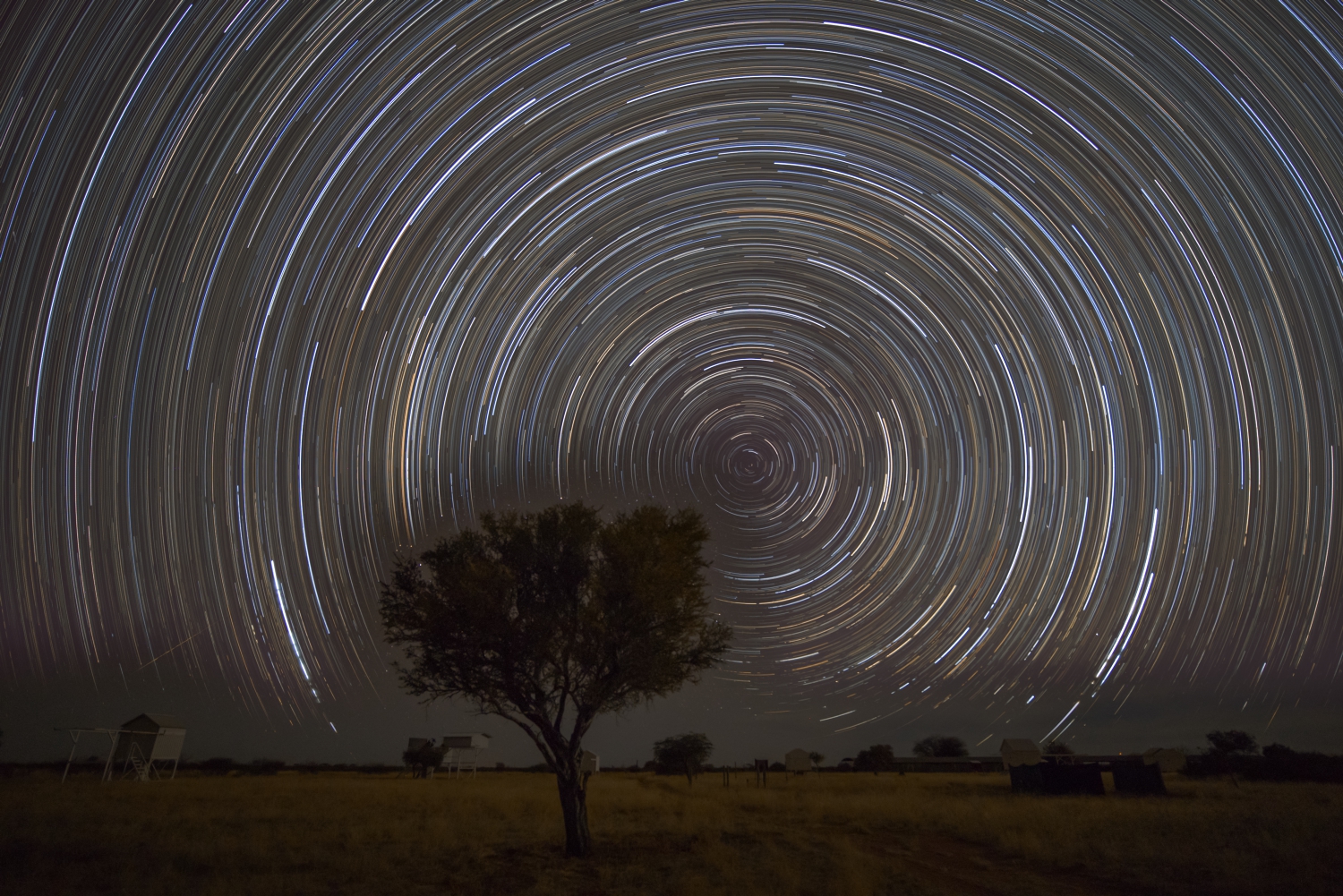
A photographic journey into space
By using special techniques, we can experience celestial objects and phenomena in a way that would not be possible with the naked eye. It opens a window to the depths of the cosmos and allows us to discover the beauty, diversity and mysteries of space. The possibilities of astrophotography are almost limitless. From the spectacular spiral arms of distant galaxies and the brilliant colors of gas nebulae to fleeting celestial events such as the Aurora Borealis, the results reveal not only the beauty of the night sky. They also give us an insight into the physical processes that shape them.
Astrophotography on the other hand requires a comprehensive understanding of both astronomy and photography. Its foundations are advanced camera techniques, combined with careful planning, specialized equipment and long exposure times. In addition, powerful telescopes, precise tracking systems and sensitive camera sensors are able to capture even the faintest signals from the universe. But it's not just the technology that makes astrophotography special. Equally important is the passion and dedication of the photographer.
Visit Gallery
A look inside...
Observatory
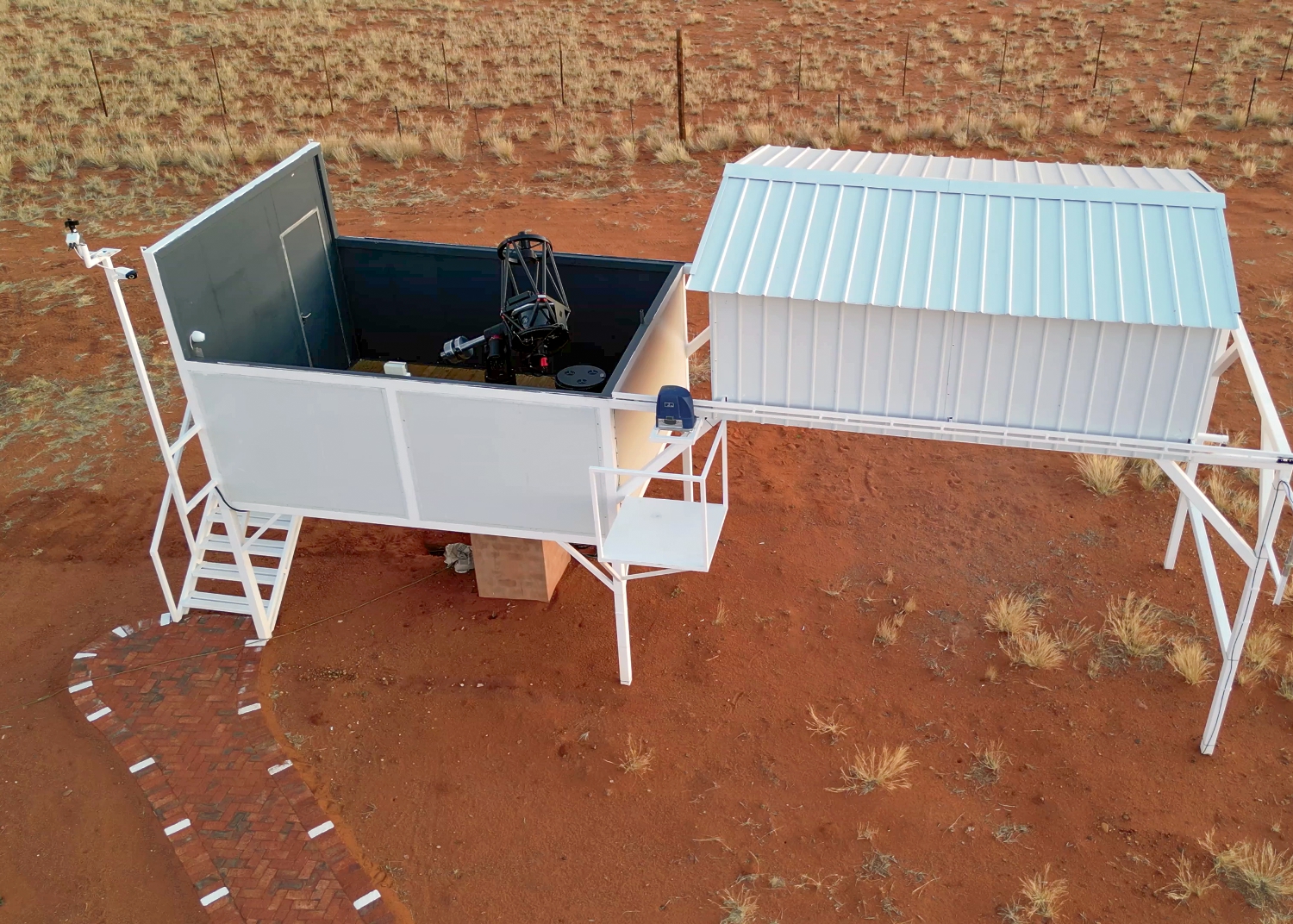
The observatory itself is state of the art and fully automated. It can be conveniently controlled via the Internet, allowing efficient and flexible use - regardless of the observer's location. The equipment is complemented by an all-sky camera, which has the entire sky in view, as well as a Sky Quality Meter (SQM) to measure the quality of the sky and a reliable weather monitoring system to ensure the safety of the equipment.
The building measures 4 x 3 meters and is located at an altitude of 1,345 meters above sea level. The mount is an ASA DDM 100, which is known for its excellent precision and stability. Mounted on it is a 16-inch Ritchey-Chrétien telescope from ASA with a focal length of 3200 mm. This configuration is particularly suitable for detailed observations and photographs of distant celestial objects.
The location...
Namibia
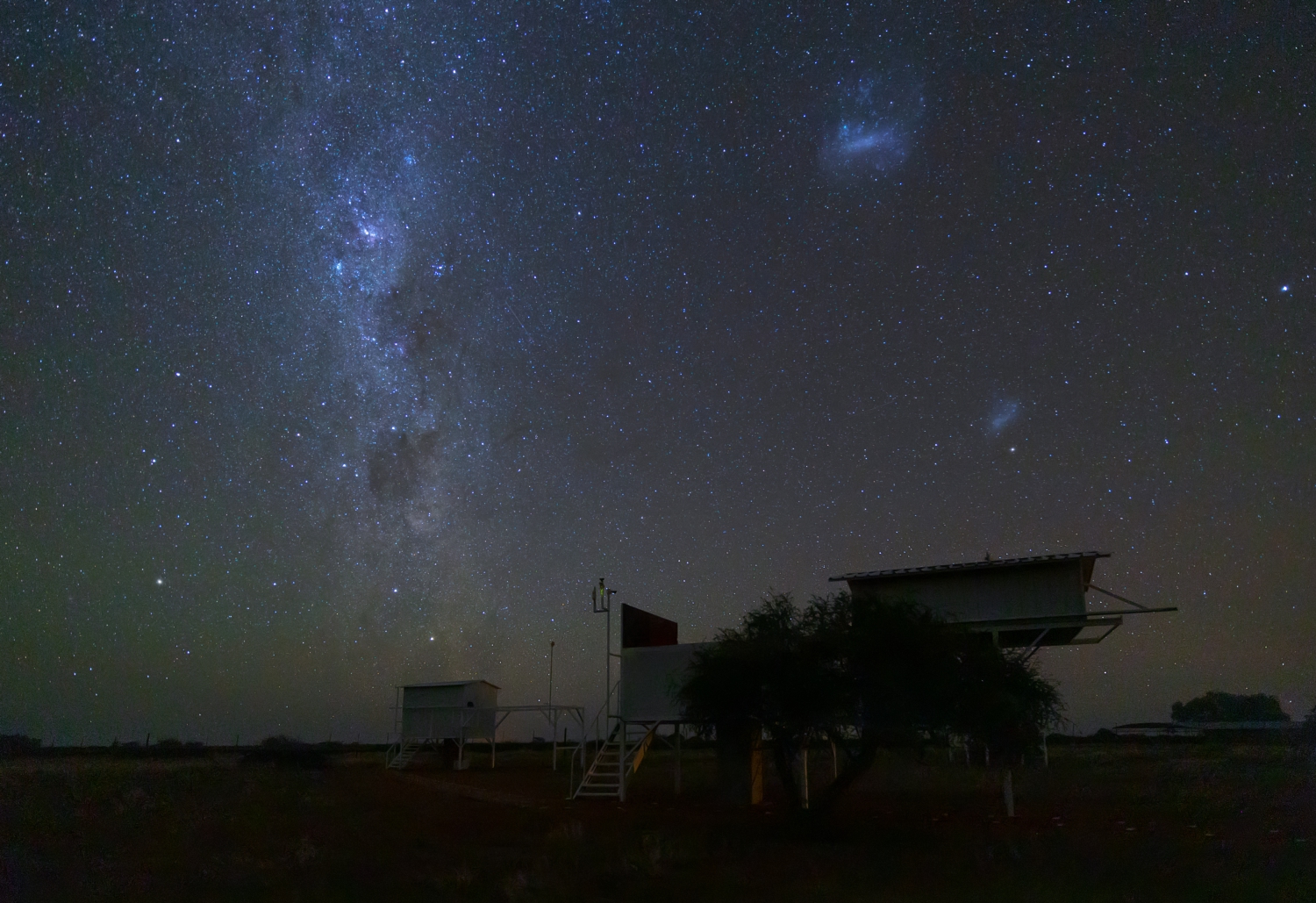
My observatory is located in one of the most impressive regions in the world: on the Tivoli Southern Sky Guest Farm in the red sands of the Kalahari Desert, directly on the Tropic of Capricorn. With 260 to 280 clear nights a year, this unique region offers optimal conditions for astronomical observations. The stable weather conditions, the very low humidity and the light pollution-free sky create ideal conditions for astrophotography.